The word “vegan” has become one of the most emotive words in languages all over the world. While the term “plant-based” often has a more positive reputation, these two concepts are distinct.
Author: Isadora Malina-Derben
Since the word “vegan” was coined by founder of The Vegan Society, Donald Watson and his wife in 1944, it has stirred up an array of emotions. Since then, it has become more widely known and continues to grow in popularity.
While both foods labelled ‘vegan’ and ‘plant-based’ are derived from plants and are mostly suitable for both types of lifestyles, they have different meanings
What are the differences between vegan and plant-based?
Dietary patterns
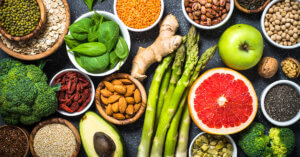
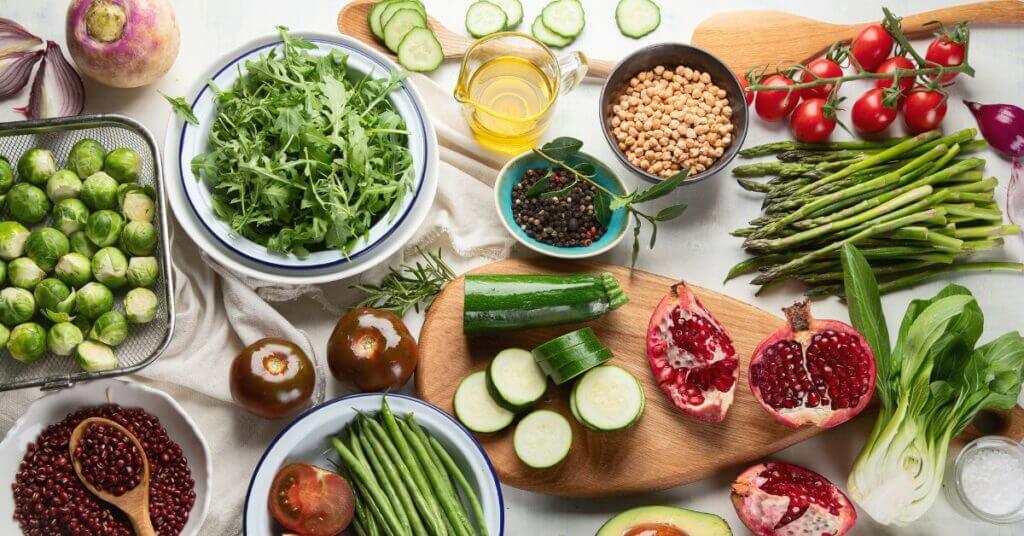
While being plant-based and vegan reflect similar dietary patterns, they don’t share the same meaning. Having a plant-based lifestyle refers exclusively to an an to a dietary choice. Much like a vegan diet, this diet focuses on foods such as fruits, vegetables, nuts, seeds, wholegrains, legumes and beans.
However, people who identify as plant-based have differing perspectives of what that means. Some people consider themselves plant-based if their diet has only small amounts of animal-derived foods.
In contrast, vegan diets never contain animal products.
So, the major difference between being plant-based and vegan is that a vegan diet excludes all animal-derived foods.
Why people choose to be plant-based
Whether you go vegan or plant-based, you’re making a positive impact on your health, the lives of animals and the planet. However, the biggest difference between being plant-based and vegan are the reasons why individuals make these choices.
People may adopt a plant-based diet due to health and environmental concerns. Not only does a plant-based diet reduce your risk of heart disease, strokes, cancer, and type 2 diabetes, it is also an environmentally conscious choice.
As production of meat, eggs and dairy continues to soar, so does the devastating impact of animal agriculture’s on global warming, deforestation, pollution, species extinction, water scarcity, and land degradation. Unfortunately, public discourse around climate often neglects the impact of our food system. There is no better example of this than the meat-heavy menu at COP27 in 2022, the world’s largest climate crisis conference. The menu included beef, fish, chicken and dairy dishes, which are some of the most detrimental foods to the environment.
On average, a diet containing meat requires three times more water than an exclusively plant-based diet. And as our ecological footprints have become increasingly pertinent, moving towards a plant-based diet is the single best and most powerful choice individuals can make to minimize our impact on the planet and help shift towards a plant-based food system.
Why people choose to be vegan
While many people become vegan with health incentives and environmental concerns in mind, the lifestyle is further associated with ethical concerns surrounding the exploitation of animals.
Despite many people’s perceptions, veganism is not just a dietary choice.. Veganism reflects a moral standpoint against speciesism, which assumes that humans are superior to animals and have the right to exploit them..
Certainly, the majority of animals are exploited for food, with an estimated 79 billion land animals and 2.7 trillion fish and shellfish killed for human consumption annually. However, veganism extends beyond the food industry to reject all forms of animal exploitation. For example, the fashion, medical, entertainment, and cosmetic industries also exploit animals for leather, research, movies, makeup and more
Therefore, being vegan is an expression of compassion towards animals. It reflects a desire to make ethically conscious decisions that do not cause unnecessary suffering. For vegans, this means avoiding not only animal-derived foods, but all consumer produts that result from animal exploitation.
Animal products dominate the vast majority of products we buy and consume. Sometimes, figuring out if a product is vegan or cruelty-free can be difficult.
While there is no perfect vegan, vegans try as best they can to avoid clothing, cosmetics, cleaning products that came from or were tested on animals. Additionally, vegans avoid entertainment such as horse racing, circuses that use animals, and marine parks like SeaWorld.
The Vegan Society beautifully sums up veganism as “a philosophy and way of living which seeks to exclude- as far as is possible and practicable- all forms of exploitation of, and cruelty to, animals for food, clothing or any other purpose; and by extension, promotes the development and use of animal-free alternatives for the benefit of animals, humans and the environment. In dietary terms it denotes the practice of dispensing with all products derived wholly or partly from animals”.
The History of Veganism
Evidence of people making ethical decisions to protect and advocate for animals dates back thousands of years.
Religious beliefs and vegetarianism have been closely linked throughout history. Many religious texts echo the ideology that inflicting pain on other animals is morally wrong, such as particularly Buddhism, Hinduism and Jainism.
For example, the Greek philosopher and mathematician, Pythagoras, was one of the first ethical vegetarians. He believed in the value of all living creatures and that animals possessed souls. Because of his example, a vegetarian diet came to be known as the ‘Pythagoras Diet’.
Moral motivations to avoid animal exploitation of all kinds like those of Pythagoras are ultimately what make someone “vegan.” In contrast, if modern day concerns for health or climate lead someone to reduce or avoid animal products, this means they follow a “plant-based” diet.
Whatever term you identify with, every time you choose plants over animal products, you make a positive difference to the planet, animals and your health!To find out more information about vegan and plant-based communities and how you can make a difference, check out Vkind.com. And, be sure to download the Vkind app to stay up to date with vegan topics, news, opportunities, recipes, and more!
SUBSCRIBE TO OUR NEWSLETTER
Vkind Vibes is our popular weekly newsletter where we share the latest news, tastiest recipes, and hottest trends impacting the VegEconomy. SUBSCRIBE NOW!
WANT MORE?
JOIN THE VEGECONOMY Are you a vegan brand owner or professional? Add your listing to our business search platform to get more eyes on your vegan enterprise.TAKE THE VEGECONOMY PLEDGE Take the VegEconomy Pledge to show support for sustainable business practices and make a commitment to Spend Like You Give A Damn.
WATCH & LEARN Subscribe to our YouTube channel for our latest shows, live events, interviews, videos, news, secret giveaways & more!
STREAM “PEELED”, THE ALL-VEGAN COOKING COMPETITION SHOW Produced by Vkind Studios in a limited 3-part web series, Peeled is the award-winning all-vegan cooking competition show that’s on a search to find “America’s Hottest Vegan Chef”.
FOLLOW & SHARE Our content is always entertaining, educational, and inclusive. Follow us everywhere on social media!