
Practice Greenhealth reported in 2023 that U.S. hospitals dump more than five million tons of waste into landfills each year, much of it coming from disposable gear and energy-hungry machinery. Nursing students can no longer look past those numbers; they see them early in clinical rotations and lecture halls.
Schools that fast-track a Bachelor of Science in Nursing for degree-holding adults are now weaving lessons about ecological duty right into skills labs and med-surg shifts. These adjustments give graduates a frame of reference where patient recovery sits side-by-side with planetary resilience.
Integrating Sustainability into Nursing Curricula
Talk of sustainability has stopped being an optional side note in syllabi. Many ABSN cohorts now find environmental health woven through courses meant for pharmacology or pathophysiology. Faculty assign readings on how climate extremes shift disease patterns and ask students to measure the carbon footprint of standard IV supplies. Skills labs may test biodegradable dressings one week and return to conventional linen the next- evidence of a low-waste habit taking root long before graduation.
Professional nursing organizations have been key partners in an ongoing push to reframe care through an ecological lens. The Alliance of Nurses for Healthy Environments, for instance, offers a Curriculum Toolkit that helps faculty link bedside decisions to community ecosystems. Faculty who adopt the resource typically end up discussing environmental justice, chronic exposure risks, and the way climate shocks can worsen long-term health problems in vulnerable neighborhoods.
In the classroom, programs sometimes use case studies that show how air pollution or a sudden flood translates directly into spikes in respiratory visits. Other instructors connect students with community groups through service-learning projects that tackle lead poisoning or heat-related illnesses. Together, these exercises nudge future nurses to see sustainability less as a sideshow and more as standard fare in public health education.
Reducing Environmental Impact in Clinical Training
Many Bachelor of Science in Nursing programs lean heavily on pad-and-people simulations that consume energy and plastic, so several accelerated tracks are piloting lighter, hybrid tools. Early adopters report that smaller equipment packages and online scenario work let them graduate students who are skilled but also mindful of medicine’s carbon toll.
During the pandemic, nursing programs leaned heavily on virtual simulation software, and that habit has stuck. The National League for Nursing now reports that high-fidelity, online scenarios can cover nearly half of a student’s clinical hours without letting educational standards slip. Because these platforms run on servers rather than hospital floors, they trim the demand for electricity, bricks-and-mortar space, and single-use supplies, thereby shaving carbon emissions at multiple points in the supply chain.
Prospective students still ask their advisers is an ABSN worth it, and the answer often hinges on speed. A cohort that finishes in twelve to sixteen months can start earning a salary before the average car loan is paid off, and shorter, sharper semesters eat up fewer heating dollars and photocopy sheets. That urgency nudges programs to slice away redundant content and plug in greener alternatives, revealing how curricular density can double as an environmental strategy.
Some schools have begun monitoring the greenhouse gases tied to student rotations in the same spirit that manufacturers audit their factories. A partnership with hospitals that buy LED bulbs instead of incandescent ones or run electric shuttle vans lets the trainees watch eco-friendly logistics first-hand while they practice bedside skills. Real-world proof that sustainable care is practicable on the front lines reinforces the lesson far louder than a slide deck ever could.
Promoting Plant-Based Lifestyles in Health Education
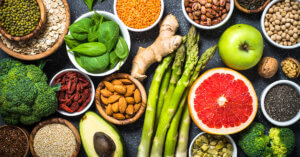
A growing body of research keeps pointing to the same conclusion: diets rooted in whole plants can lower chronic-disease risk, lighten our carbon footprint, and still taste great. In response, several Accelerated Bachelor of Science in Nursing (ABSN) programs have started weaving this insight into their nutrition and wellness syllabi.
They cite the EAT-Lancet Commission’s sweeping endorsement of plant-forward eating as both a blueprint for human well-being and a playbook for planetary health, and that message is quietly reshaping course standards across multiple healthcare disciplines.
Nursing students, meanwhile, are learning to frame diet not just as an optional handout but as a first-line preventive and therapeutic weapon. During modules on chronic conditions such as type 2 diabetes, hypertension, and severe obesity, some faculty slip in case studies that spotlight whole-food, plant-centered meal patterns.
Instructors usually couple that clinical talk with a reality check on the environmental toll of livestock farming and ultra-processed foods, so learners end up seeing food choices through both a personal and an ecological lens.
Field rotations often drop students into neighbourhoods where fresh produce costs a small fortune and fast food reigns supreme. Programs, therefore, urge future nurses to deliver plant-based counsel that respects local budgets, cultural traditions, and available ingredients. Instead of handing out a carbon-copy plate of steamed kale and quinoa, trainees are challenged to work with community cooks, swap ideas, and co-create menus that keep health goals in sight without ignoring everyday realities.
Fostering Eco-Conscious Future Nurses
Sustainability education today stretches far beyond a few PowerPoint slides; it is quietly re-engineering the mental maps ABSN students carry into clinical practice. Many programs now nudge trainees toward campus committees or hospital green teams, and the difference these afternoon shifts make is visible in the questions graduates ask long after the programs end. In short, modern nurse training is cultivating providers who are fluent in both the science of care and the science of the earth.
In the classroom, talks about environmental stewardship are folded directly into lessons on patient advocacy; the two themes unwind together rather than sitting in separate folders. A simple exercise-finding alternatives to single-use, petroleum-based gear, for instance-quickly reveals how cleaner supply chains can also lighten the respiratory load on urban neighborhoods.
Armed with these connections, students leave school ready to press for healthier facilities and, eventually, for regulations that echo the same logic on a statewide or national scale.
Career maps are changing, too, because a swelling number of health systems and public health agencies are now listing positions labeled sustainability officer or climate-health coordinator.
Each new posting turns what once felt like an optional side project into a recognized ladder rung. For ABSN graduates, the emerging job market signals that environmental responsibility has migrated from a talking point to a professional frontier begging for skilled hands.
SUBSCRIBE TO OUR NEWSLETTER
Vkind Vibes is our popular weekly newsletter where we share the latest news, tastiest recipes, and hottest trends impacting the VegEconomy. SUBSCRIBE NOW!
WANT MORE?
JOIN THE VEGECONOMY Are you a vegan brand owner or professional? Add your listing to our business search platform to get more eyes on your vegan enterprise.TAKE THE VEGECONOMY PLEDGE Take the VegEconomy Pledge to show support for sustainable business practices and make a commitment to Spend Like You Give A Damn.
WATCH & LEARN Subscribe to our YouTube channel for our latest shows, live events, interviews, videos, news, secret giveaways & more!
STREAM “PEELED”, THE ALL-VEGAN COOKING COMPETITION SHOW Produced by Vkind Studios in a limited 3-part web series, Peeled is the award-winning all-vegan cooking competition show that’s on a search to find “America’s Hottest Vegan Chef”.
FOLLOW & SHARE Our content is always entertaining, educational, and inclusive. Follow us everywhere on social media!